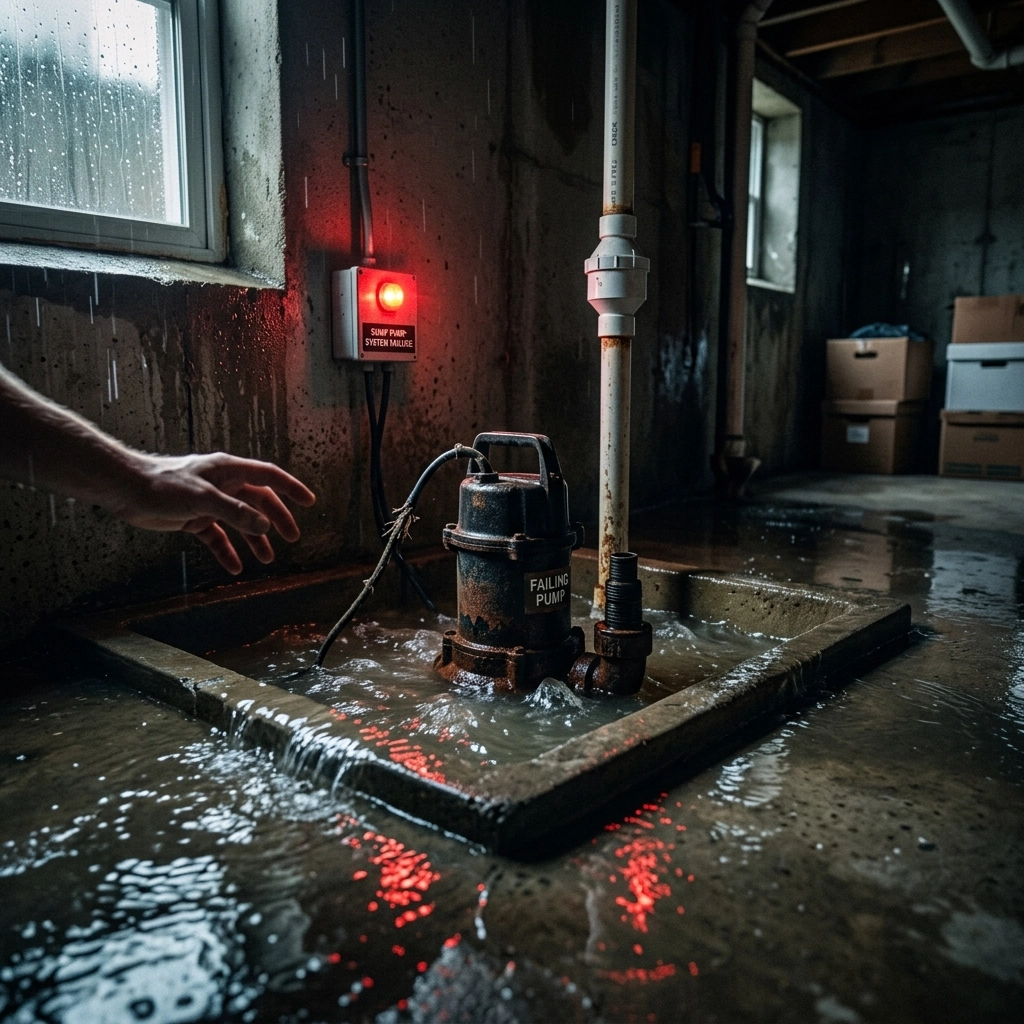
There is nothing quite like the sound of heavy rain hitting the roof in the middle of the night to make a homeowner worry about their basement. If you live in an area prone to storms or high water tables, your sump pump is essentially the "silent hero" of your home. It sits in a dark pit, waiting for the moment it’s needed, and when it works, you don’t even think about it. But when it fails? That is a stress no one needs.
At Steve's GPH LLC, I have seen far too many finished basements ruined because a small, affordable piece of equipment reached the end of its life and no one noticed until it was too late. We believe in being proactive. My team and I are here to help you stay dry, and that starts with knowing when your equipment is waving a white flag.
If you are wondering if your pump is still up for the job, here are the five most common signs that you need a sump pump replacement before the next big storm hits.
1. It’s Making Noises You’ve Never Heard Before
Every sump pump makes a bit of noise when it kicks on. You might hear a low hum or a "thud" when the check valve closes. That’s normal. What isn’t normal is a pump that sounds like it’s chewing on gravel.
If you start hearing grinding, rattling, or loud thumping sounds, it usually means there is a mechanical issue inside the motor or the impeller. The impeller is the little fan-like part that actually pushes the water out of the pit. If it gets bent, clogged, or damaged, the motor has to work twice as hard, which leads to those scary noises.
We always tell our neighbors: if it sounds like it’s struggling, it probably is. Ignoring these sounds is like ignoring a knocking sound in your car engine. Eventually, it’s going to stop moving altogether. If your pump is screaming for help, it’s time to call us for a consultation to see if a replacement is the safer bet.
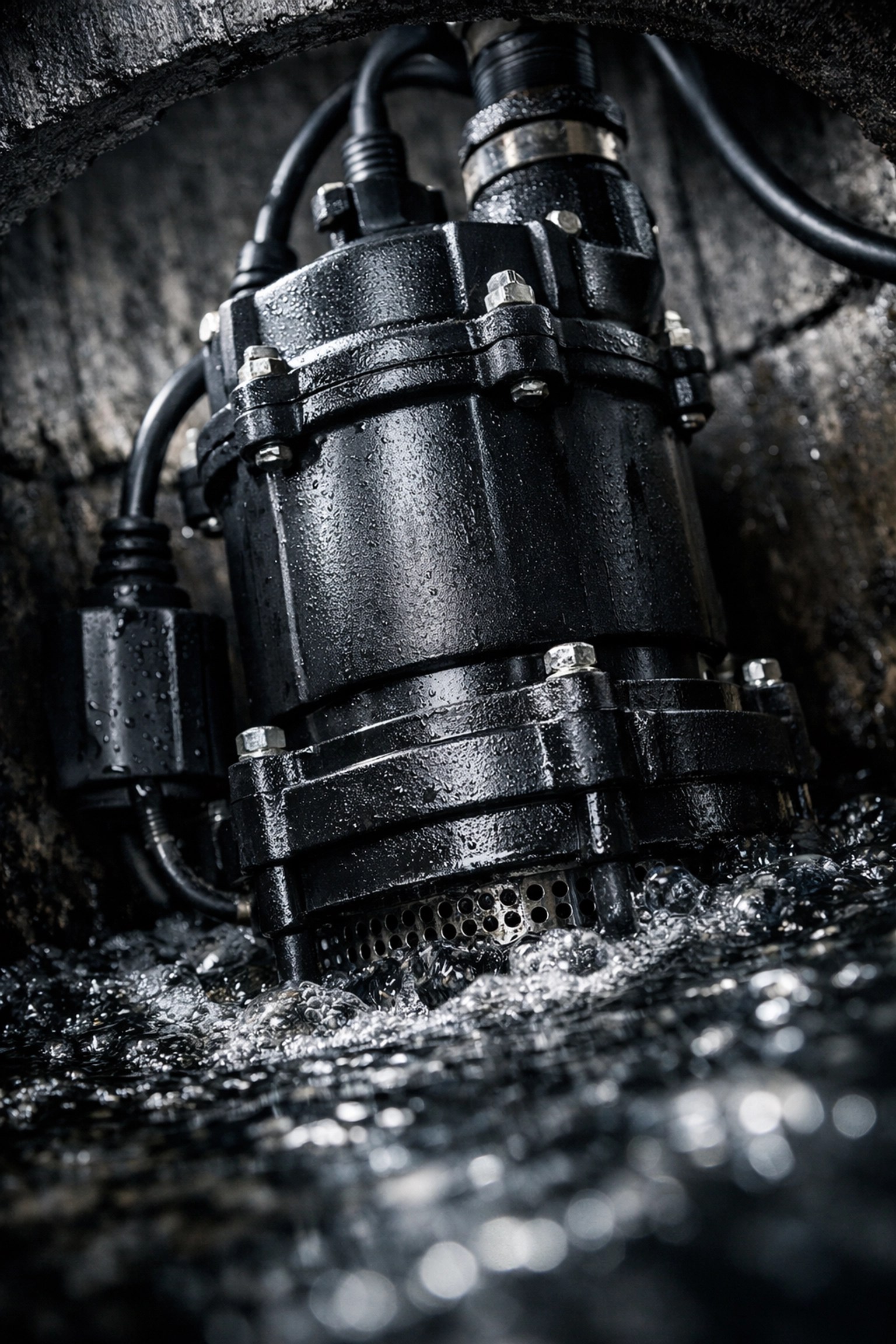
2. It Runs Constantly (Even When It’s Not Raining)
Does your sump pump seem to have a mind of its own? If it’s running all day and night, even when the weather is bone dry, you have a problem.
There are a few reasons this happens. Sometimes the "float switch" gets stuck. Think of the float switch like the buoy in your toilet tank; when the water rises, the buoy goes up and tells the pump to turn on. If that switch gets pinned against the side of the basin or becomes tangled in wires, it keeps the pump running indefinitely.
The bigger issue with a pump that never stops is "motor burnout." These pumps are designed to run in cycles. If they run 24/7, the motor will overheat and fry itself. We see this often in older installations where the pump wasn't sized correctly for the amount of water coming in. If you notice your pump is a "marathon runner" instead of a "sprinter," you’re likely looking at a sump pump replacement in the very near future.
3. It’s Reached the "Magic Number" (7 to 10 Years Old)
Everything has an expiration date. In the world of plumbing and gas fitting, we generally find that a well-maintained sump pump lasts between 7 and 10 years. Some high-end models might push a bit further, but 10 years is really the limit for reliability.
I like to be honest with my customers: just because it turns on doesn't mean it will work when the "Big One" comes. Over a decade, the seals dry out, the motor weakens, and the internal components corrode from sitting in water. If you can’t remember the last time you bought a pump, or if you moved into your house ten years ago and it was already there, you are living on borrowed time.
At Steve's GPH LLC, we value your safety and your property’s integrity above all else. We’d much rather replace an old pump on a sunny Tuesday than try to help you pump out three feet of water on a stormy Sunday.
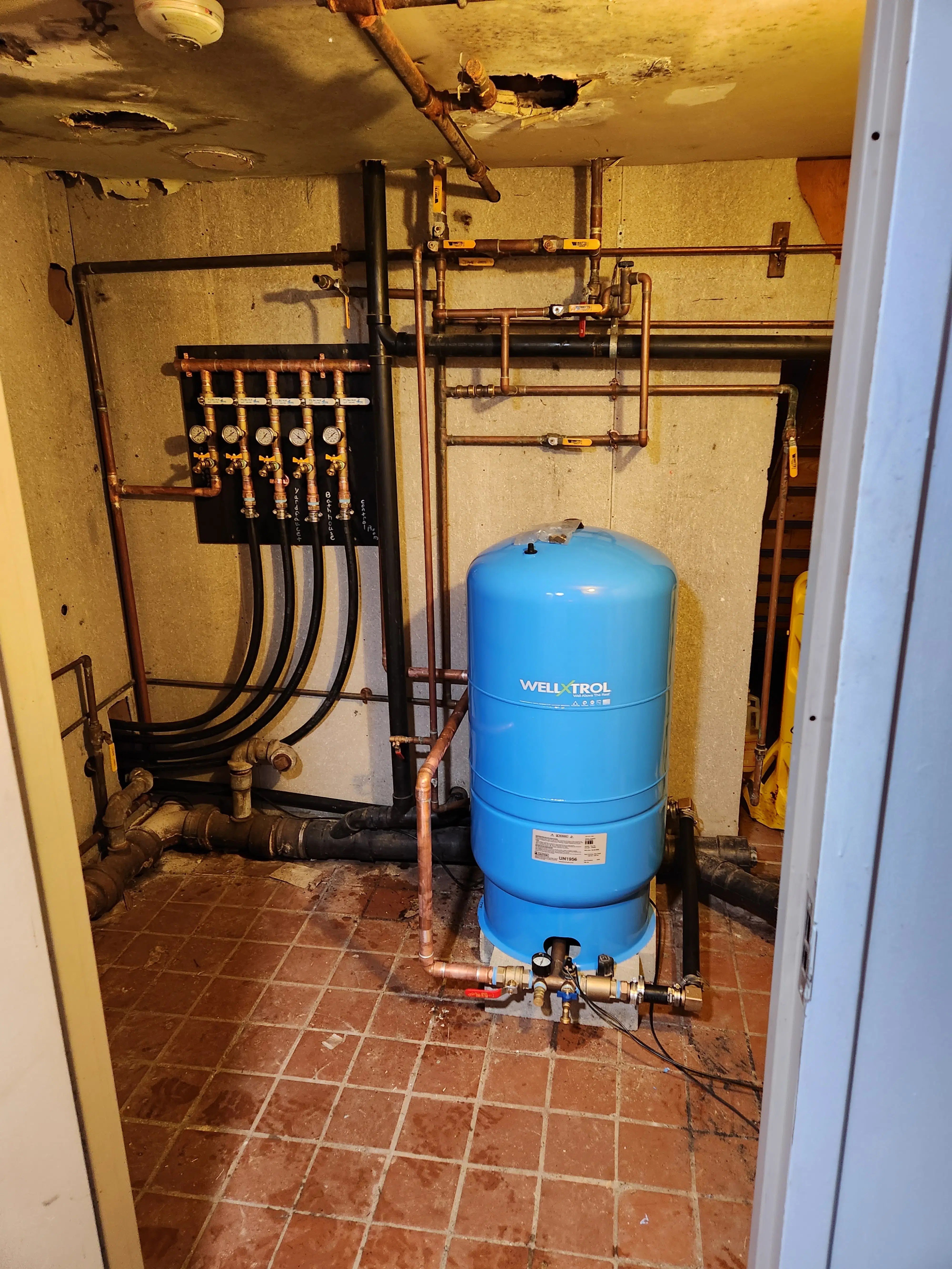
4. It Cycles On and Off Frequently (Short Cycling)
On the flip side of a pump that runs too much is a pump that turns on and off every few seconds. This is called "short cycling."
This often happens because the sump pit is too small for the pump's power, or there’s a problem with the check valve. The check valve is supposed to stop water from falling back into the pit once the pump turns off. If that valve fails, the water goes up the pipe, the pump shuts off, the water falls back down, the pit fills up again, and the pump turns back on.
This "on-off-on-off" routine is incredibly hard on the motor. It’s like turning your light switch on and off a hundred times a minute, eventually, the bulb is going to pop. Short cycling is a major red flag that the system isn't balanced, and usually, a fresh sump pump replacement with a properly sized unit is the only way to fix it for good.
5. There Is Standing Water in Your Basin or on the Floor
This is the "Red Alert" sign. If you look into your sump pit and the water is nearly at the top, or worse, spilling onto the floor, and the pump isn't moving, the system has failed.
Sometimes it’s a power issue, but often it’s a seized motor or a completely clogged intake. If you see water pooling where it shouldn't be, don't wait. A flooded basement can lead to mold, structural damage, and the loss of precious personal belongings.
We treat these calls with the highest priority. Our community knows that when there’s a water emergency, Steve's GPH LLC acts fast. We don't just swap the pump; we check the discharge lines to make sure the water has somewhere to go once the new pump starts pushing it.

Why You Should Trust a Professional for Your Sump Pump Replacement
I know it’s tempting to head to a big-box store, grab the cheapest pump on the shelf, and try to DIY it. But here is why we recommend professional installation:
- Correct Sizing: If the pump is too weak, it won't keep up. If it's too powerful, it will short cycle and burn out. We calculate the "head pressure" and flow rate to get it just right.
- Reliability and Warranty: We use professional-grade equipment that you can't always find at a retail store. Plus, our work is backed by our commitment to integrity. If something isn't right, we fix it.
- Insurance Peace of Mind: Many homeowners' insurance policies require proof of professional maintenance or installation to cover flood claims. Having a receipt from Steve's GPH LLC can be a lifesaver if you ever need to file a claim.
Frequently Asked Questions
How often should I test my sump pump?
I recommend testing it at least twice a year, once in the spring and once in the fall. Just pour a five-gallon bucket of water into the pit. If the pump kicks on and clears the water quickly, you’re in good shape!
Do I need a battery backup?
In our opinion, YES. Most sump pumps run on electricity. When do you need your pump the most? During a storm. When does the power usually go out? During a storm. A battery backup ensures that even if the grid goes down, your basement stays dry.
What does a sump pump replacement cost?
We believe in transparent pricing. The cost depends on the horsepower of the pump and whether you want a backup system included. We always provide a clear estimate before we start any work. You can even create an account on our site to manage your service history and bookings easily.
Can I just repair my old pump?
If the pump is less than five years old and has a simple clog, a repair might make sense. However, once the motor starts failing or the unit hits that 7-year mark, the labor cost of a repair is often close to the cost of a brand-new, warranted unit. We’ll always give you the honest truth about which path is better for your wallet.
Let Steve's GPH LLC Protect Your Home
We aren't just a business; we are your neighbors. We take pride in the fact that our customers trust us with the "guts" of their homes: the plumbing, the heating, and the gas lines. When you call us for a sump pump replacement, you aren't just getting a new machine; you’re getting the peace of mind that comes with knowing the job was done right by people who care.
Don't wait for the clouds to turn grey to check on your basement's best friend. If you’ve noticed any of the signs we talked about today, reach out to us. We promise a fast response and a straightforward solution.
Ready to secure your basement?
Book your consultation today or check out our other plumbing and heating services. We look forward to working with you!
Leave a Reply